Quang Nam
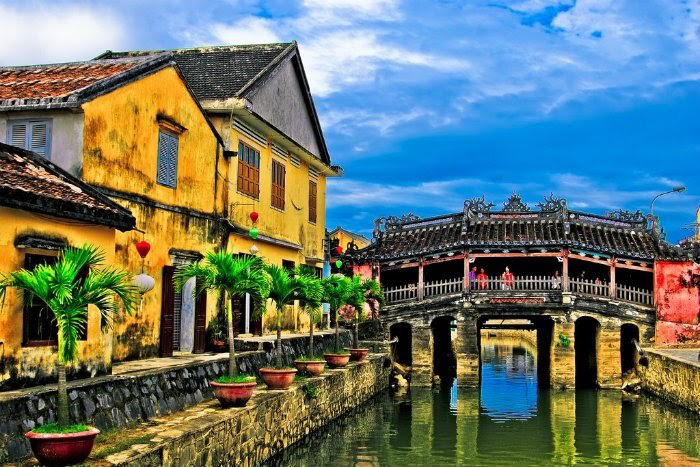
Hoi An Ancient Town
Detailed Brief
Hoi An Ancient Town is a preserved historic trading port in central Vietnam, celebrated for its multicultural architecture, lantern-lit streets, and strong craft and culinary traditions.
DETAILED SUMMARY OF HOI AN ANCIENT TOWN
I. GEOGRAPHIC LOCATION AND OVERVIEW
1. Location
Hoi An is located in Quang Nam Province near the lower Thu Bon River, about 30 km south of Da Nang.
2. Urban character
The old town is known for:
- Narrow pedestrian-friendly streets
- Dense rows of low-rise historic houses
- River channels and waterfront spaces
- Restricted motor traffic in core hours
II. HISTORICAL FORMATION
1. International trading port era
From the 16th to 17th centuries, Hoi An was one of Southeast Asia's most active ports, connected to merchants from:
- Japan
- China
- Portugal
- The Netherlands
- India
2. Shift and preservation
In the 19th century, river-mouth changes reduced port activity, and Da Nang gained prominence. This economic shift helped Hoi An avoid heavy modernization and preserve its historic urban fabric.
III. ARCHITECTURAL IDENTITY
1. Traditional housing pattern
Typical old-town houses are:
- One or two stories
- Narrow in frontage and deep in plan
- Mixed-use for commerce and residence
- Built with yin-yang tile roofs
- Often designed with internal courtyards for light and airflow
2. Landmark structures
Important sites include:
- Japanese Covered Bridge
- Chinese assembly halls (Fujian, Cantonese, Chaozhou communities)
- Historic merchant houses such as Tan Ky and Phung Hung
IV. CULTURAL LIFE AND CREATIVE TRADITIONS
1. Lantern culture
On selected lunar nights, the old town creates a low-light atmosphere where lanterns dominate the streetscape and riverfront.
2. Cuisine and local products
Signature specialties include:
- Cao Lau
- Quang noodles
- Hoi An-style bread and street food
- Traditional herbal and sweet drinks
V. INTERNATIONAL RECOGNITION
Hoi An Ancient Town was inscribed by UNESCO in 1999 as a World Cultural Heritage site.
Recognition focuses on:
- Outstanding value as a traditional Asian trading port
- Powerful evidence of intercultural exchange through architecture and urban life
VI. TOURISM EXPERIENCE
Common visitor activities:
- Walking and cycling tours in the old quarters
- Evening boat rides on the Hoai River
- Tailoring experiences for custom clothing
- Visits to nearby craft villages such as Thanh Ha pottery and Kim Bong carpentry
VII. CONSERVATION CHALLENGES
Key management issues include:
- Seasonal flooding
- Visitor overcrowding during peak periods
- Fire and material decay risks in old wooden buildings
VIII. CURRENT SIGNIFICANCE
Hoi An is valued as:
- A model of heritage-led urban conservation
- A living cultural economy powered by crafts, hospitality, and gastronomy
- One of Vietnam's most recognized cultural destinations
Related Destinations
View all destinations


Suggested 3-day execution blueprint
Day 1: Arrival and contextual orientation
Focus on broad place understanding, visual orientation, and low-intensity movement to adapt quickly.
Day 2: Signature experiences
Allocate premium time blocks for top activities and preserve one flexible slot for weather adaptation.
Day 3: Depth and transition
Complete one deep-dive visit in the morning and schedule transfer to the next stop with recovery margin.
High-priority activities to place in Day 2
Walk through the old townBoat trip on Hoai RiverLantern-night photographyTailoring and local food tours
Pre-departure checklist for this stop
- •Book high-demand activities and transport before confirming optional add-ons.
- •Review weather pattern for this destination and prepare one indoor fallback block.
- •Keep one low-intensity session before any long transfer to maintain route quality.
- •If traveling with a group, split responsibilities for tickets, luggage, and check-in logistics.