← Back to list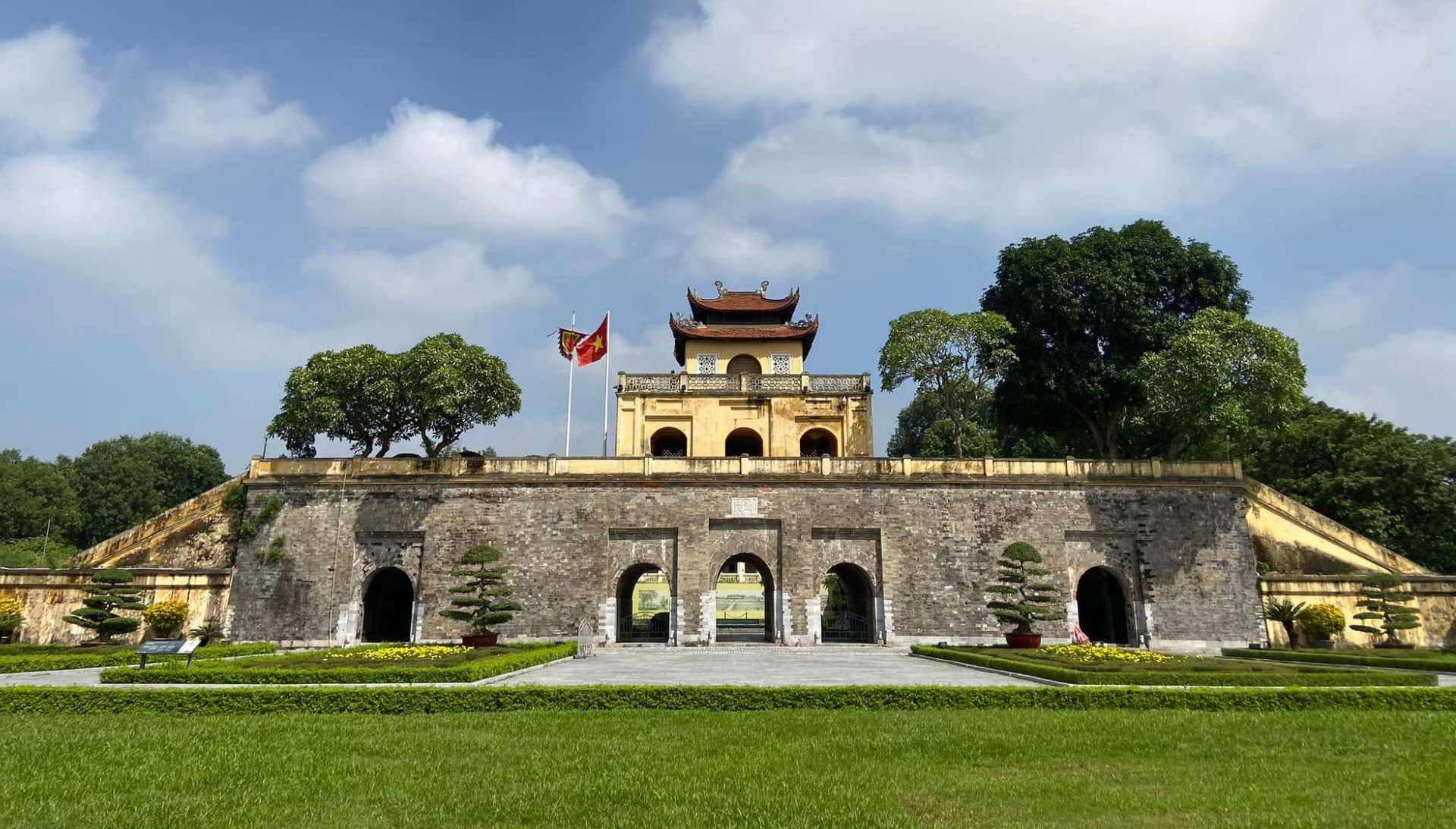

Hanoi
Imperial Citadel of Thang Long
Overview
DETAILED SUMMARY OF THE IMPERIAL CITADEL OF THANG LONG
I. GEOGRAPHIC LOCATION AND OVERVIEW
1. Location
The citadel is in central Hanoi, concentrated around Hoang Dieu and nearby historic government precincts.
2. Core characteristics
The site preserves overlapping archaeological layers from different historical periods, from earlier occupation phases to imperial dynastic capitals.
II. LONG-TERM HISTORICAL DEVELOPMENT
1. Capital relocation milestone
In 1010, Ly Thai To moved the capital to Dai La and renamed it Thang Long, initiating major royal construction.
2. Dynastic continuity
The central citadel area remained a seat of authority through multiple dynasties, including Ly, Tran, Le, and later periods.
III. KEY ARCHITECTURAL COMPONENTS
1. Doan Mon Gate
Ceremonial entrance structure to former restricted palace zones.
2. Hanoi Flag Tower
A major surviving monument associated with later imperial military architecture.
3. Kinh Thien Palace foundations and dragon steps
Although the palace superstructure no longer survives, the stone dragon stairway remains a key symbol of imperial craftsmanship.
4. D67 command structures
These modern historical components represent 20th-century military command history within the broader citadel landscape.
5. Archaeological Zone at 18 Hoang Dieu
Excavations have revealed palace foundations, ancient wells, ceramics, and material culture from successive eras.
IV. WORLD HERITAGE STATUS
UNESCO inscribed the Imperial Citadel of Thang Long in 2010 as a World Cultural Heritage site due to its rare continuity of political and cultural layers.
V. VISITOR EXPERIENCE
Common activities include:
- Touring gates, foundations, and interpretation zones
- Visiting archaeological exhibition areas
- Joining night tours with thematic lighting and storytelling formats
VI. CONSERVATION CHALLENGES
Management requires balancing:
- Archaeological research and public access
- Urban pressure in a capital-city setting
- Long-term stabilization of exposed remains
VII. EDUCATIONAL VALUE
The citadel is a major learning platform for:
- State formation history
- Urban archaeology
- Court ceremonial systems and governance heritage
VIII. NATIONAL SIGNIFICANCE
The Imperial Citadel of Thang Long is one of Vietnam's most important historical anchors, linking ancient capital history with modern national identity.
Gallery

Best time to visit
September to November
Tour Highlights
Duration
1 - 3 Days
Best Suited For
Families, Couples
Experience activities
- •Archaeological site visit
- •Guided heritage interpretation
- •Night citadel tour